
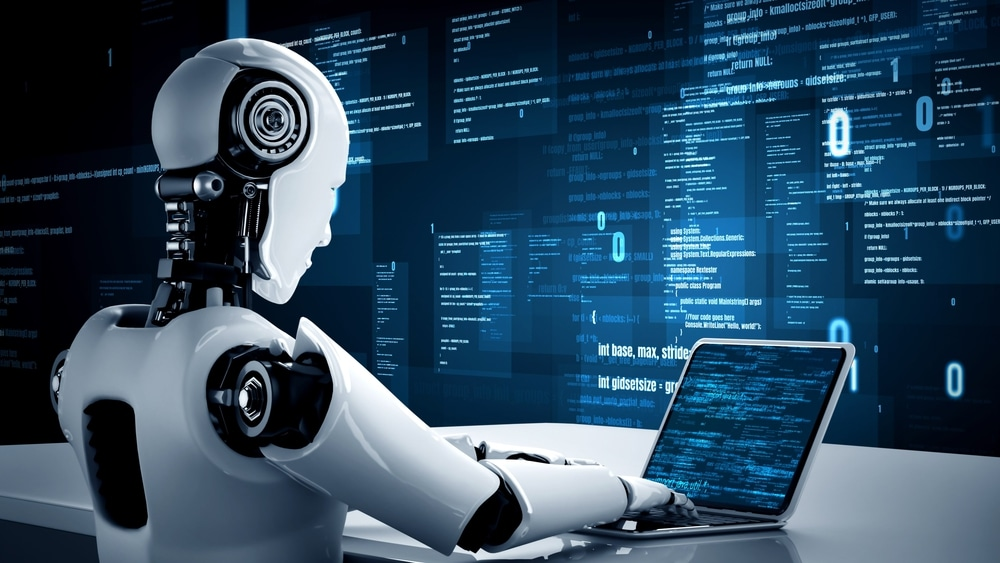
In recent years, artificial intelligence (AI) has transformed a wide range of industries, from manufacturing and finance to customer service. Within the technology sector, one of the most impactful applications is AI-assisted programming. Rather than serving merely as a search or reference tool, AI is now capable of supporting developers throughout the entire software development lifecycle—from code generation and debugging to optimization and maintenance.
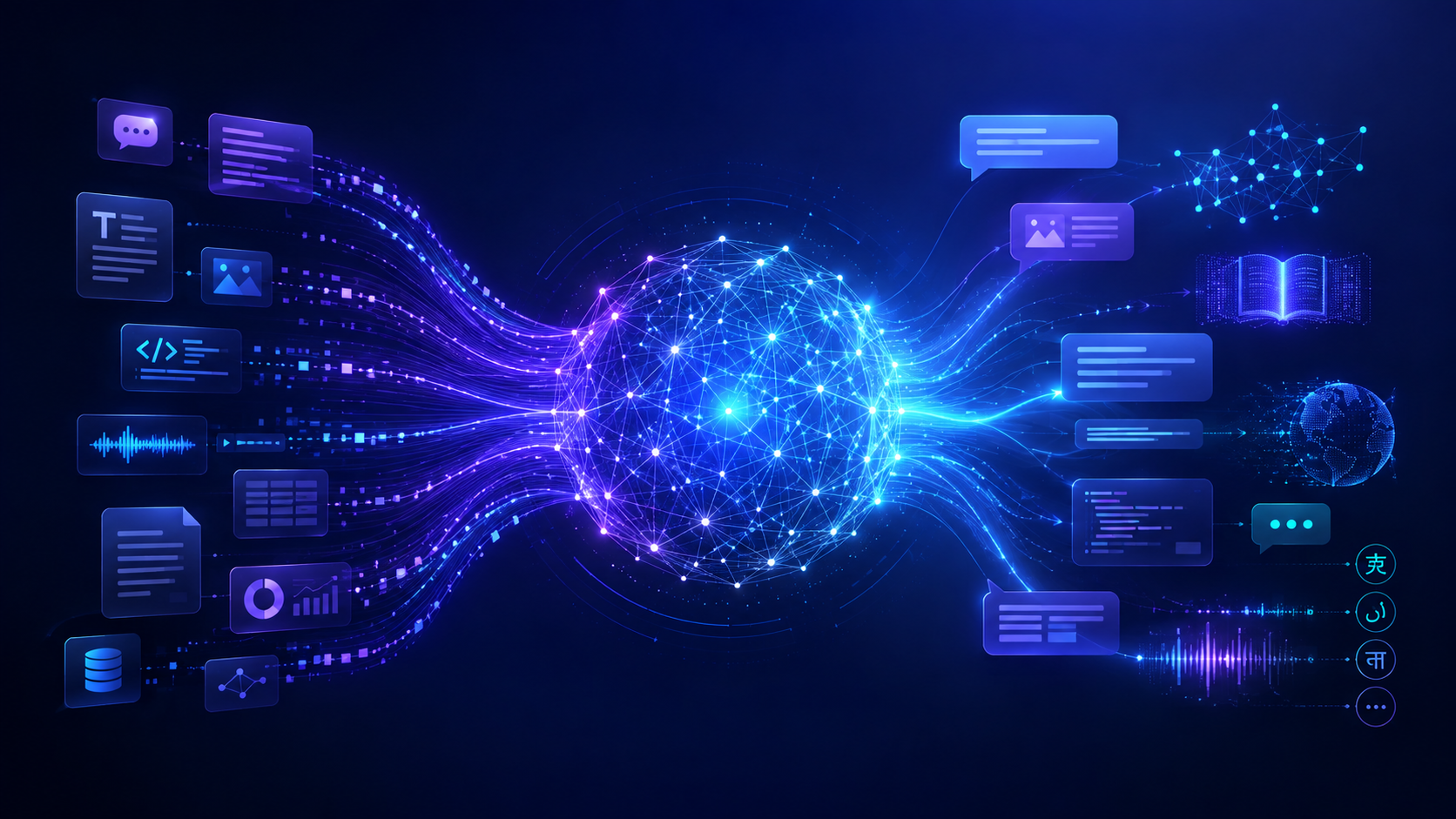
The rapid advancement of large language models (LLMs) has introduced a new approach to software engineering. AI is not replacing developers; instead, it is becoming a powerful digital assistant that enhances productivity, reduces time spent on repetitive tasks, and enables technical teams to focus on higher-value challenges.
What Is AI-Assisted Programming?
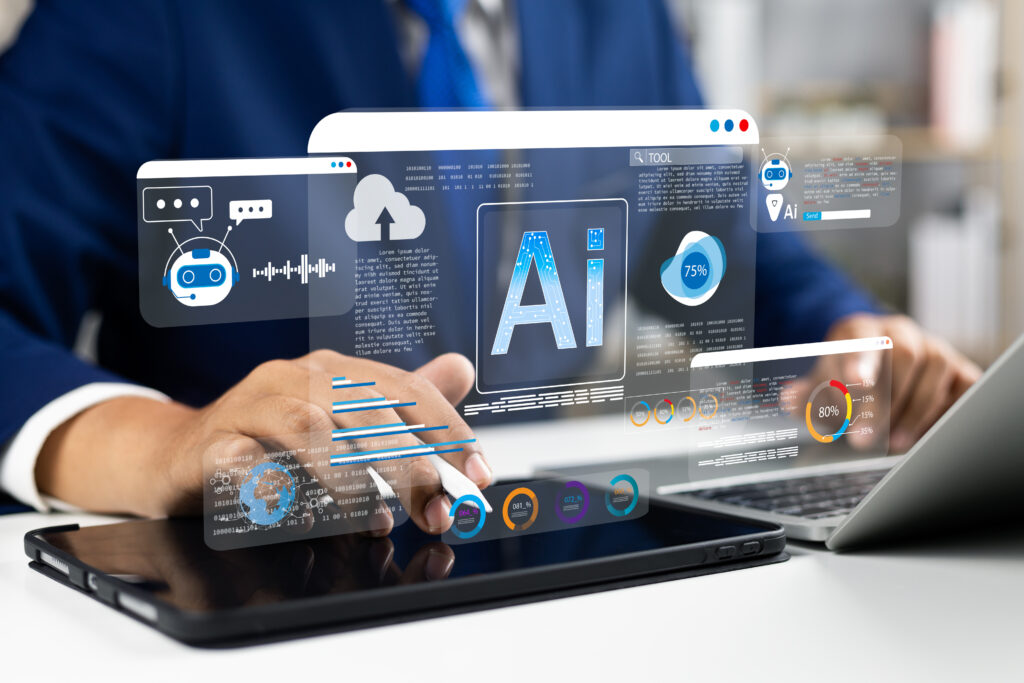
AI-assisted programming refers to the use of artificial intelligence technologies to support software developers during the development process. By understanding natural language and analyzing code context, AI can generate code, provide intelligent suggestions, and assist with a variety of technical tasks.
Today’s AI-powered coding tools can perform functions such as:
- Automatically generating code from natural language descriptions
- Providing context-aware code completion suggestions
- Detecting programming errors and recommending fixes
- Generating technical documentation from source code
- Assisting with test case creation
- Explaining complex code segments
- Supporting code translation between programming languages
Instead of searching through documentation or multiple online resources, developers can interact directly with AI to receive relevant recommendations within their development environment.
The combination of human expertise and AI-driven intelligence is creating a faster, more efficient, and more reliable approach to software development.
Benefits of AI-Assisted Programming for Businesses
Beyond improving the productivity of individual developers, AI-assisted programming delivers significant value across the entire software development process.
Increased Development Productivity
One of the most immediate benefits of AI is its ability to automate repetitive tasks.
Activities such as generating boilerplate code, building API structures, creating unit tests, or handling routine coding operations can be completed much faster with AI support.
As a result, developers spend less time on manual work and can focus more on system architecture, innovation, and solving complex business challenges.
Faster Time-to-Market
In today’s competitive landscape, development speed is a critical factor for business success.
By assisting with coding, testing, and debugging, AI enables organizations to accelerate software delivery while maintaining quality standards.
Shorter development cycles allow businesses to launch new features more quickly, respond to market demands faster, and strengthen their competitive position.
Improved Code Quality
AI can help review source code, identify common issues, and highlight opportunities for optimization.
Through intelligent recommendations, development teams can:
- Reduce the number of software defects
- Improve maintainability
- Enhance code consistency
- Ensure compliance with coding standards and best practices
The result is higher-quality software and lower long-term maintenance costs.
Enhanced Knowledge Sharing and Training
For technology organizations, onboarding and training new developers can be both time-consuming and resource-intensive.
AI can serve as an always-available technical assistant, capable of explaining source code, guiding implementation approaches, and providing information about frameworks, libraries, and technologies.
This helps shorten onboarding timelines while promoting knowledge sharing and collaboration across teams.
Key Considerations When Implementing AI-Assisted Programming
While AI offers substantial benefits, it is not a replacement for human expertise in software development.
Maintaining Quality Control
AI-generated code can be highly effective in many scenarios, but it may not always align perfectly with business requirements or technical standards.
Therefore, all AI-generated outputs should be reviewed, validated, and tested by developers before deployment into production environments.
Ensuring Data and Source Code Security
For organizations managing sensitive data or mission-critical systems, security remains a top priority.
When selecting an AI-assisted programming solution, businesses should carefully evaluate data protection capabilities, access control mechanisms, and deployment models to ensure that source code and proprietary information remain secure.
Establishing the Right Development Processes
AI delivers the greatest value when it is integrated into software development workflows in a structured and well-governed manner.
Organizations should identify suitable use cases for AI adoption, establish quality assurance processes, and provide training to help development teams maximize the technology’s benefits.
Rather than replacing developers, AI should be viewed as a tool that enhances their capabilities and enables them to work more effectively.
As AI becomes an increasingly important component of modern software engineering, solutions such as Viettel Code Assistant are helping organizations accelerate coding, testing, and code optimization within developers’ existing workflows. With flexible deployment options and the ability to operate on dedicated infrastructure, Viettel Code Assistant enables enterprises to leverage the power of AI-assisted programming while maintaining control over source code, sensitive data, and critical digital assets.
Other news











 Hotline: +84 98 1900 911
 Email: viettelai@viettel.com.vn
 Epic Building, 19 Duy Tan Street, Cau Giay District, Hanoi.
23rd Floor, Viettel Complex Building, 285 Cach Mang Thang Tam, Hoa Hung Ward, Ho Chi Minh City.