

In the digital world, who you are is just as important as what you do. As transactions, services, and interactions increasingly move online, electronic identity verification has become an indispensable foundation for ensuring security, transparency, and trust. More than just a technological solution, it is now a mandatory standard in the digital transformation journeys of businesses and government agencies.
What is Electronic Identity Verification?
Simply put, electronic identity verification is the way a system ensures that the person using an online service is truly who they claim to be, not someone impersonating them. As everything goes online, from opening accounts and signing contracts to accessing public services, the traditional method of “seeing a face and checking physical documents” is no longer feasible. Electronic identity verification was created to replace that step, using methods designed specifically for the digital environment.
Unlike simply entering personal information, electronic identity verification focuses on confirming the reliability of an identity at the moment the service is being used. In other words, it does not just ask “who are you,” but rather “are you really that person right now?”. This is especially important because in an online environment, an identity can be misused within minutes if it is not properly controlled.
In practice, electronic identity verification usually relies on a combination of several familiar factors:
- Identification information provided by the user, typically derived from personal documents
- Biometric traits unique to each individual, such as facial features or voice
- The way the user interacts with the system, which helps reinforce trustworthiness
These factors do not operate in isolation; they complement one another. When combined effectively, the system does more than just check whether the data matches; it also evaluates whether the behavior appears to be that of a real, legitimate person.
Common Methods of Electronic Identity Verification
In reality, electronic identity verification does not follow a single fixed formula. Depending on the level of risk and the type of service, a system may use one method or a combination of multiple methods.

- Identity Verification Based on Identification Information
This is the most familiar method, relying on personal information provided by users, usually taken from official identity documents. The system automatically extracts and cross-checks the data to verify its validity. This approach shortens verification time compared to manual processes. However, when used on its own, the level of security remains limited, as static information can be copied or misused.
- Biometric Verification
This method focuses on verifying the actual person using the service through biological characteristics such as facial features or voice. Because these traits are unique to each individual, they are harder to fake than document-based information alone. When implemented properly, biometrics not only increase trustworthiness but also deliver a relatively natural user experience.
- Multi-Factor Authentication (MFA)
Instead of relying on a single signal, multi-factor authentication combines multiple factors to enhance security. This approach reduces risk if one factor is compromised or exploited. For high-value or sensitive transactions, it is a widely adopted solution for protecting user identities.
- Remote Verification via Video and AI
With the support of AI, identity verification can be conducted entirely remotely. Users simply perform a few actions in front of a camera, while the system checks facial liveness and compares it with existing data. This method is well suited to fast-scaling digital services where in-person verification is not feasible.
- Behavior-Based Verification
In addition to data and biometrics, some systems monitor how users interact with the service. Unusual behavior patterns can serve as early warning signals. This method typically runs quietly in the background, strengthening identity assurance without disrupting the user experience.
Effective electronic identity verification systems rarely rely on a single method. Instead, they flexibly combine multiple approaches. The goal is not to make the process more complex, but to ensure sufficient security for the right context while keeping the user experience as smooth and comfortable as possible.
Benefits of Electronic Identity Verification for Businesses
As businesses increasingly shift their operations to digital environments, electronic identity verification is no longer an optional extra layer of checking, it has become a core foundation for safe and efficient operations. When customer identities are accurately verified from the outset, companies significantly reduce risks throughout the entire transaction lifecycle, from account registration and contract signing to payment and post-sale support.

The most visible benefit is fraud prevention. Acts such as identity impersonation, the use of invalid documents, or borrowing someone else’s identity are extremely difficult to control when relying solely on manual processes. Electronic identity verification enables businesses to detect early warning signs right at the first touchpoint, before risks escalate into financial losses or damage to brand reputation. Properly “filtering” users from the outset also helps systems operate more efficiently and transparently in the long run.
Beyond security, electronic identity verification delivers clear efficiency gains. Instead of requiring customers to fill out lengthy forms, submit document copies, or wait for manual checks, the entire process can be completed within minutes on a digital platform. This not only saves time for operational teams but also significantly improves the user experience. For many businesses, especially in finance, telecommunications, and digital services, a fast and seamless onboarding experience is often the deciding factor in whether customers continue using the service.
Another important benefit lies in regulatory compliance. As legal requirements around identity verification, anti–money laundering (AML), and data protection become increasingly stringent, businesses can no longer rely solely on user declarations. Electronic identity verification helps standardize identification processes in line with regulations, while creating clear data trails for audits, reconciliation, or inspections when needed. This reduces legal pressure and enables businesses to manage risk more proactively.
From a strategic perspective, verified identity data also forms the foundation for deeper service personalization. When businesses clearly know who their customers are, they can design more relevant customer care journeys, advisory scenarios, or service access levels for different user groups. Identity data is no longer used only for “checking,” but becomes a valuable input that enhances the quality of business decision-making.
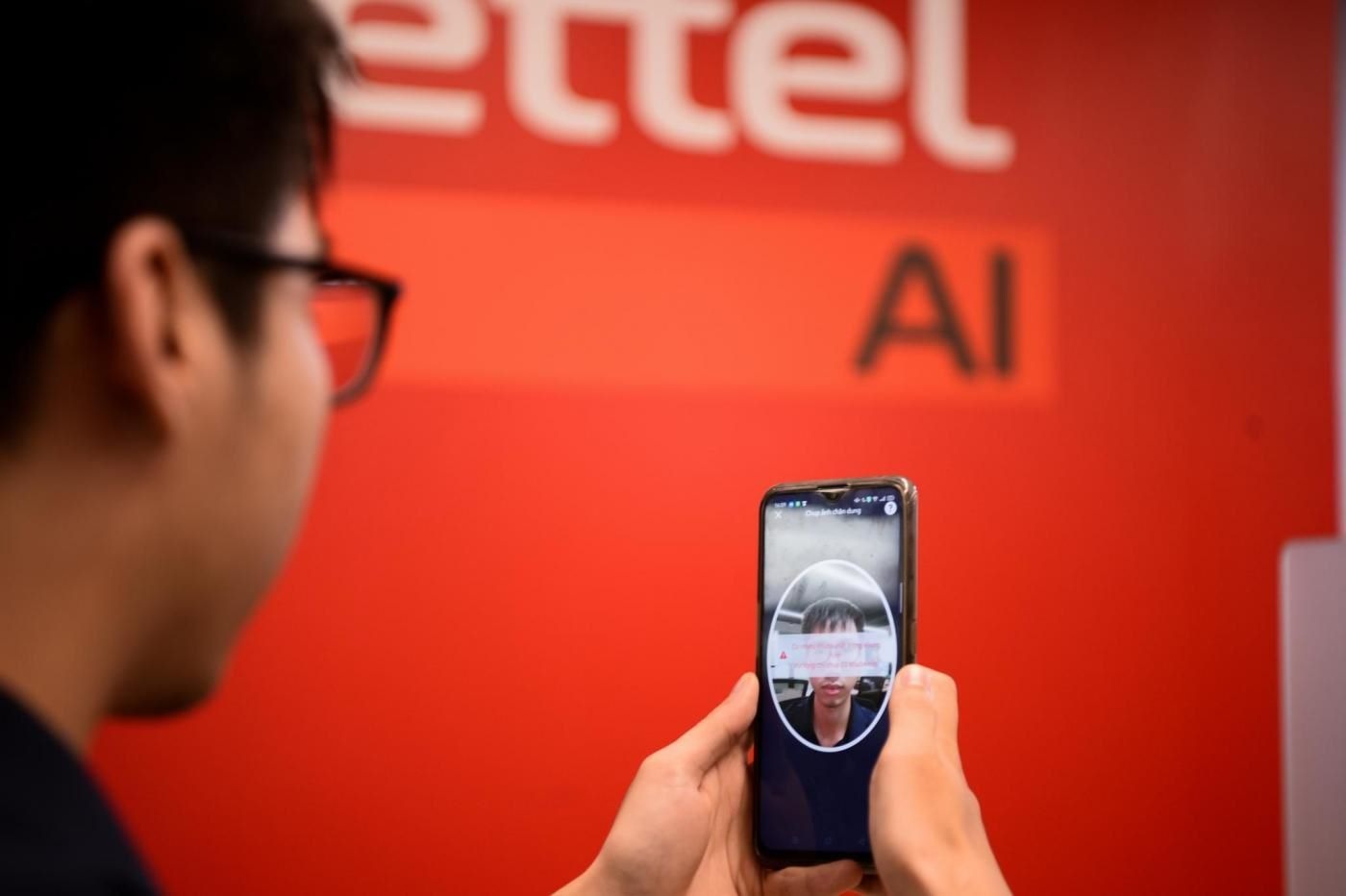
In practice, many businesses in Vietnam choose localized eKYC solutions that align with domestic identification systems and user behavior. Viettel eKYC is a representative example, developed based on local data, infrastructure, and large-scale deployment experience. Integrating eKYC is not just about meeting verification requirements—it also helps businesses shorten implementation time, integrate smoothly with existing systems, and scale more easily as operations grow.
Challenges in Implementing Electronic Identity Verification
In practice, many businesses recognize the value of electronic identity verification but encounter difficulties when putting it into operation. These challenges stem not only from technology, but also from user experience, input data quality, and increasingly stringent compliance requirements. If not fully addressed, electronic identity verification can become a “bottleneck” rather than a catalyst for digital transformation.
- Difficulty in balancing security levels with user experience
- Inconsistent and hard-to-control input data quality
- Limitations in technology infrastructure and system integration capabilities
- Risks related to data security and personal privacy
- Compliance pressure amid constantly evolving regulations
To overcome these barriers, businesses need a flexible and strategic approach to electronic identity verification. First, verification processes should be designed in multiple layers, allowing security levels to be adjusted based on service type and risk level. This approach helps ensure safety while avoiding unnecessary friction for everyday users.
At the same time, systems must be smart enough to handle imperfect real-world data. Instead of immediately rejecting cases where information does not meet standards, verification solutions should guide users with clear instructions, support adjustments, and optimize recognition under different conditions. This improves verification success rates and reduces reliance on manual intervention.
From a technology standpoint, choosing a verification platform with flexible integration capabilities is critical. Solutions that have been deployed at scale and are compatible with local infrastructure, such as Viettel eKYC, help businesses shorten implementation timelines, integrate easily with existing systems, and remain scalable as demand grows. This is a key factor in ensuring that electronic identity verification does not become an operational burden.
Finally, security and regulatory compliance should be treated as long-term priorities, not afterthoughts. Businesses need to establish clear data governance processes, ensure transparency in how personal information is collected and used, and regularly review systems to meet new legal requirements. When implemented correctly, electronic identity verification not only addresses security concerns but also builds lasting trust with customers.
In conclusion
Electronic identity verification is no longer a purely technical concept, it has become a critical foundation for all digital operations within businesses. From ensuring security and reducing fraud, to enhancing user experience and meeting increasingly strict regulatory requirements, electronic identity verification acts as a “gateway” for sustainable and efficient digital operations.
However, successful implementation requires businesses to fully understand both the benefits and the challenges, choose the right approach, and adopt solutions that are flexible enough for real-world operations. When built in the right way, electronic identity verification does not slow down digital transformation; instead, it helps businesses accelerate and build long-term trust with customers.
To explore more in-depth perspectives, emerging trends, and practical applications of AI in identity verification, security, and digital transformation, follow Viettel AI to stay updated with valuable insights in the time ahead.
Other news















 Hotline: +84 98 1900 911
 Email: viettelai@viettel.com.vn
 Epic Building, 19 Duy Tan Street, Cau Giay District, Hanoi.
23rd Floor, Viettel Complex Building, 285 Cach Mang Thang Tam, Hoa Hung Ward, Ho Chi Minh City.